
- Por Laderasur.com
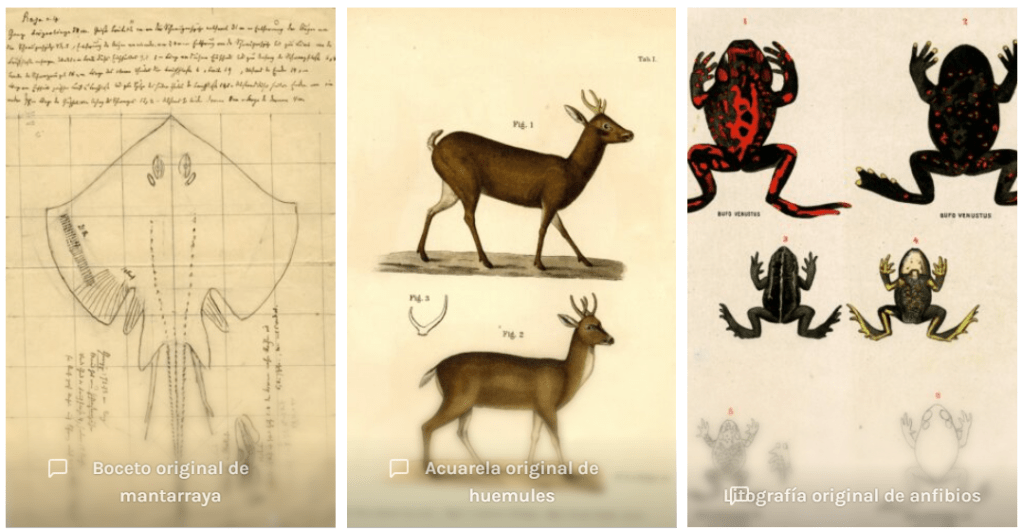
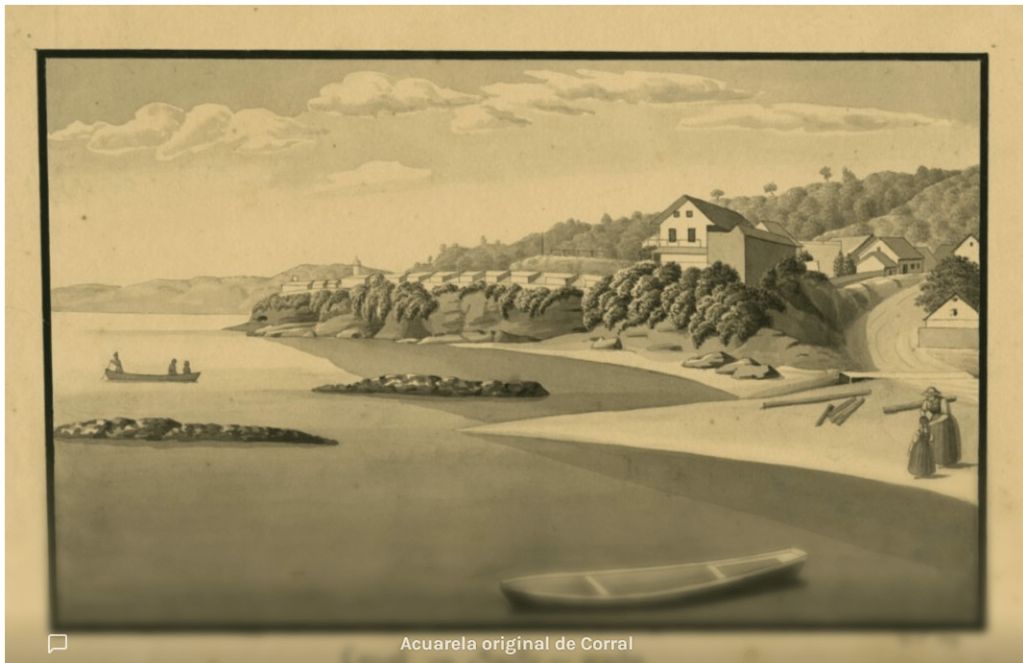
El archivo del naturalista alemán Rudolph Philippi, que contiene cerca de 10 mil documentos originales e inéditos, entre los que se encuentran diarios de viaje, acuarelas, bocetos, litografías, ensayos, y más, fue inscrito en el Registro Regional de Memorias del Mundo de Latino América y el Caribe de la UNESCO, convirtiéndose en el quinto archivo chileno en ser registrado.
Click here for translation
The archive of German naturalist Rudolph Philippi, which contains nearly 10,000 original and unpublished documents, including travel diaries, watercolors, sketches, lithographs, essays, and more, was inscribed in UNESCO’s Regional Register of World Memory of Latin America and the Caribbean, becoming the fifth Chilean archive to be registered.
The Rudolph Amandus Philippi Documentary Fund, under the custody of the Historical and Heritage Archives of the Museological Department of the Universidad Austral de Chile, was inscribed in UNESCO’s Regional Memory of the World Register for Latin America and the Caribbean (MoWLAC).
The purpose of this registry is to ensure the preservation, promotion and access to documentary archives whose heritage values are relevant to the history and memories of the peoples of the continent and the world. Since 2002, Unesco has recognized 260 collections in Latin America and the Caribbean. Of these, Chile has only 5 designations, including Philippi this 2024. The latter is recognized after 10 years since the last Chilean entry.
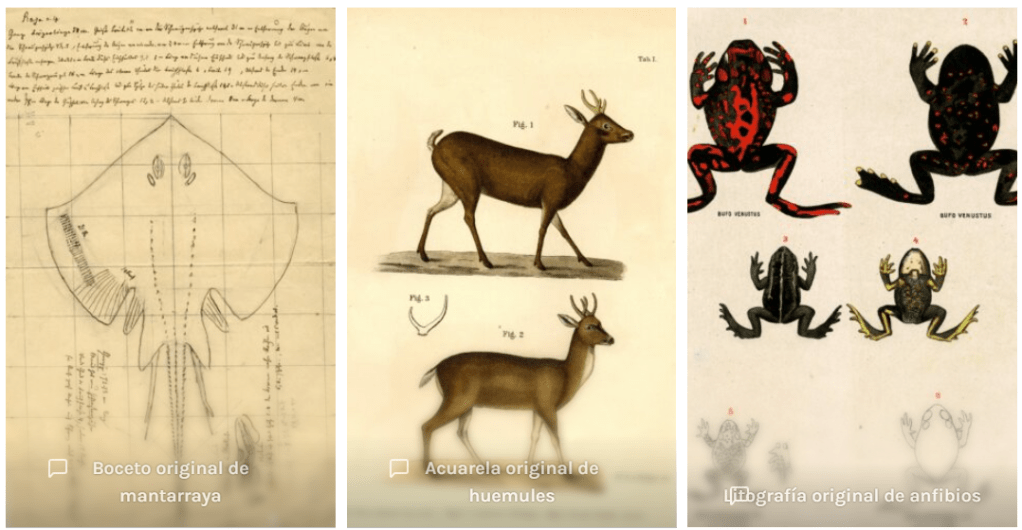
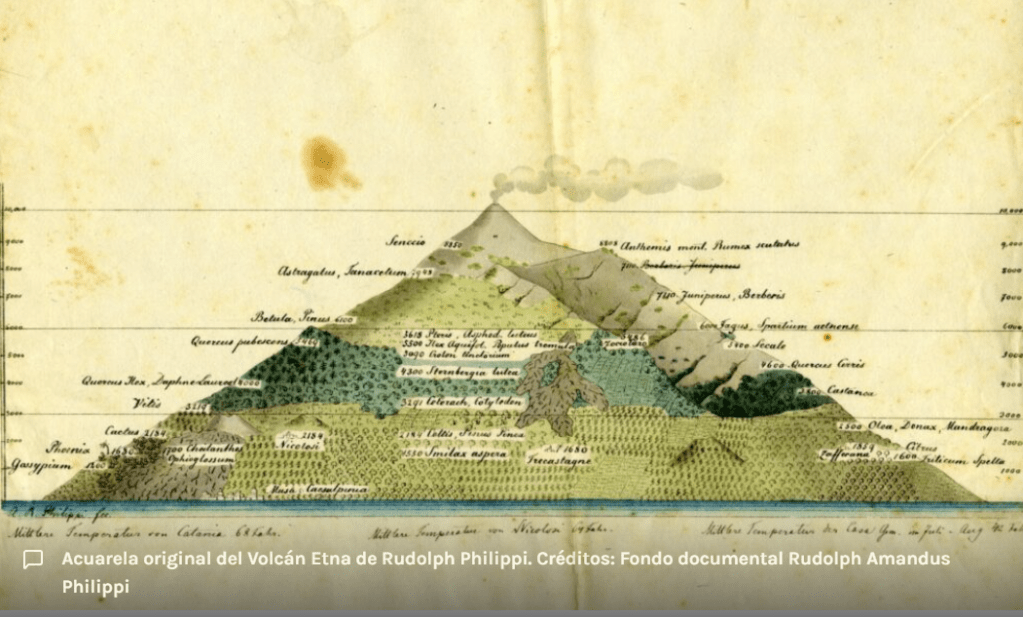
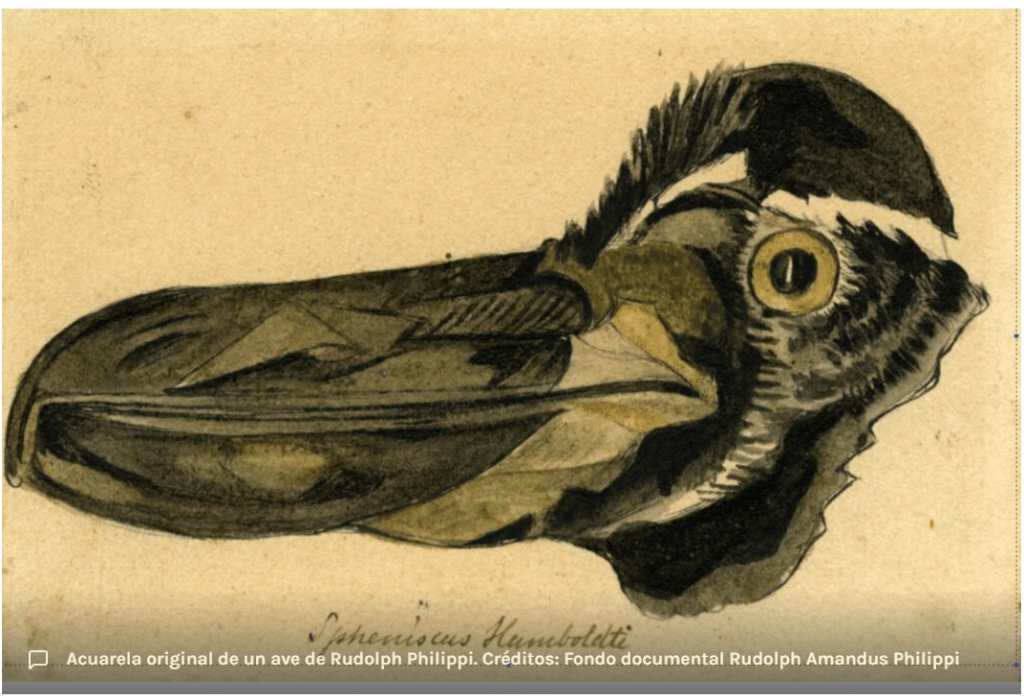
Philippi’s archive is the most complete and important collection of documents on the public and private life of the naturalist (1808-1904). It contains approximately 10,000 original documents, practically unpublished, organized in 20 documentary series, such as diaries, travel diaries, correspondence, watercolors, sketches, lithographs, scientific descriptions, notes, reports and essays.
The nomination was in charge of Roberto Bosshardt, archivist of the Museological Directorate of the Universidad Austral de Chile, who comments: “This recognition positions the work we do as an institution to make Philippi’s archive accessible and give it value: “This recognition globally positions the work we do as an institution to give accessibility and value to Philippi’s archive, as we believe that its contents are essential evidence and sources of study to understand how the Natural Sciences were consolidated in the country during the nineteenth century, but also to reflect, among other things, on the dynamics of migration processes, the artistic development in naturalism and the everyday family life of this German migrant and great artist, whose scientific and academic contributions today continue to transcend”.
“The Rudolph Amandus Philippi Documentary Fund, recently inscribed in UNESCO’s Memory of the World Program, is a unique testimony of the life and work of the most outstanding scientist of the 19th century in Chile. Safeguarded by the Museum Department of the Universidad Austral, this valuable collection includes correspondence, travel diaries, watercolors, sketches and scientific descriptions, making it the most complete archive on the naturalist. This international recognition reinforces Chile’s role as a reference in the preservation of documentary heritage, connecting our history with the world,” said Esther Kuisch Laroche, director of UNESCO’s Regional Office for Latin America and the Caribbean.
El Fondo documental Rudolph Amandus Philippi, custodiado por el Archivo Histórico y Patrimonial de la Dirección Museológica de la Universidad Austral de Chile, fue inscrito en el Registro Regional de Memorias del Mundo de Latino América y el Caribe (MoWLAC) de la UNESCO.
Este registro tiene como objetivo procurar por la preservación, promoción y acceso a archivos documentales cuyos valores patrimoniales son relevantes para la historia y memorias de los pueblos del continente y el mundo. Desde 2002, la Unesco ha reconocido 260 fondos en América Latina y el Caribe. De ellos, Chile sólo posee 5 designaciones, incluyendo el de Philippi este 2024. Este último es reconocido luego de 10 años desde el último ingreso chileno.
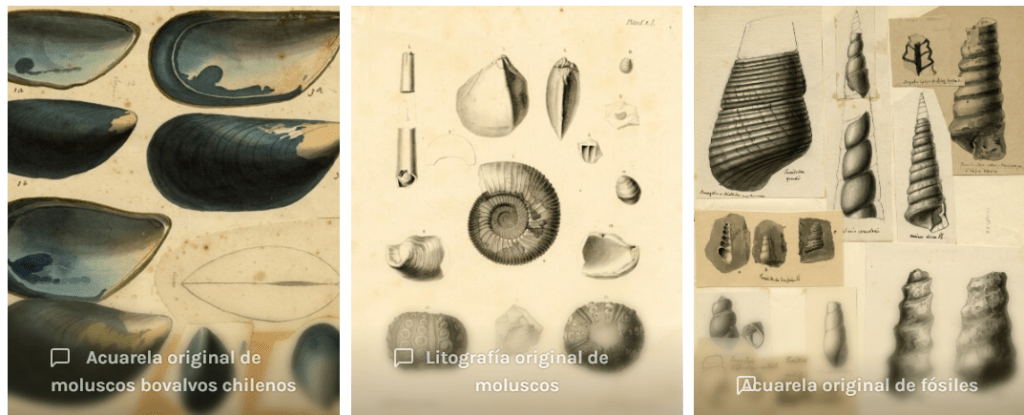
El archivo de Philippi es el conjunto documental más completo e importante sobre la vida pública y privada del naturalista (1808- 1904). Contiene aproximadamente 10 mil documentos originales, prácticamente inéditos, organizados en 20 series documentales, tales como agendas, diarios de viaje, correspondencias, acuarelas, bocetos, litografías, descripciones científicas, apuntes, informes y ensayos.
La postulación estuvo a cargo de Roberto Bosshardt, archivero de la Dirección Museológica Universidad Austral de Chile, quien comenta: “Este reconocimiento posiciona mundialmente la labor que como institución hacemos para dar accesibilidad y poner en valor el archivo de Philippi, en tanto creemos que sus contenidos son evidencia y fuentes de estudio esenciales para comprender cómo se fueron consolidando las Ciencias Naturales en el país durante el siglo XIX, pero también para reflexionar, entre otras cosas, sobre la dinámica de los procesos migratorios, el desarrollo artístico en el naturalismo y la cotidianeidad familiar de este migrante alemán y gran artista, cuyos aportes científicos y académicos al día hoy siguen trascendiendo”.
“El Fondo Documental Rudolph Amandus Philippi, recién inscrito en el Programa Memoria del Mundo de la UNESCO, es un testimonio único de la vida y obra del científico más destacado del siglo XIX en Chile. Resguardado por la Dirección Museológica de la Universidad Austral, este valioso conjunto incluye correspondencias, diarios de viaje, acuarelas, bocetos y descripciones científicas, siendo el archivo más completo sobre el naturalista. Este reconocimiento internacional refuerza el rol de Chile como referente en la preservación del patrimonio documental, conectando nuestra historia con el mundo”, destacó Esther Kuisch Laroche, directora de la Oficina Regional de la UNESCO para América Latina y el Caribe.
| Si tienes una historia que quieras difundir, escríbenos. If you have a story you want to spread, write to us. catalina.aguilar@caleidoscopiodigital.com |
 Caleidoscopio Digital
Deja un comentario